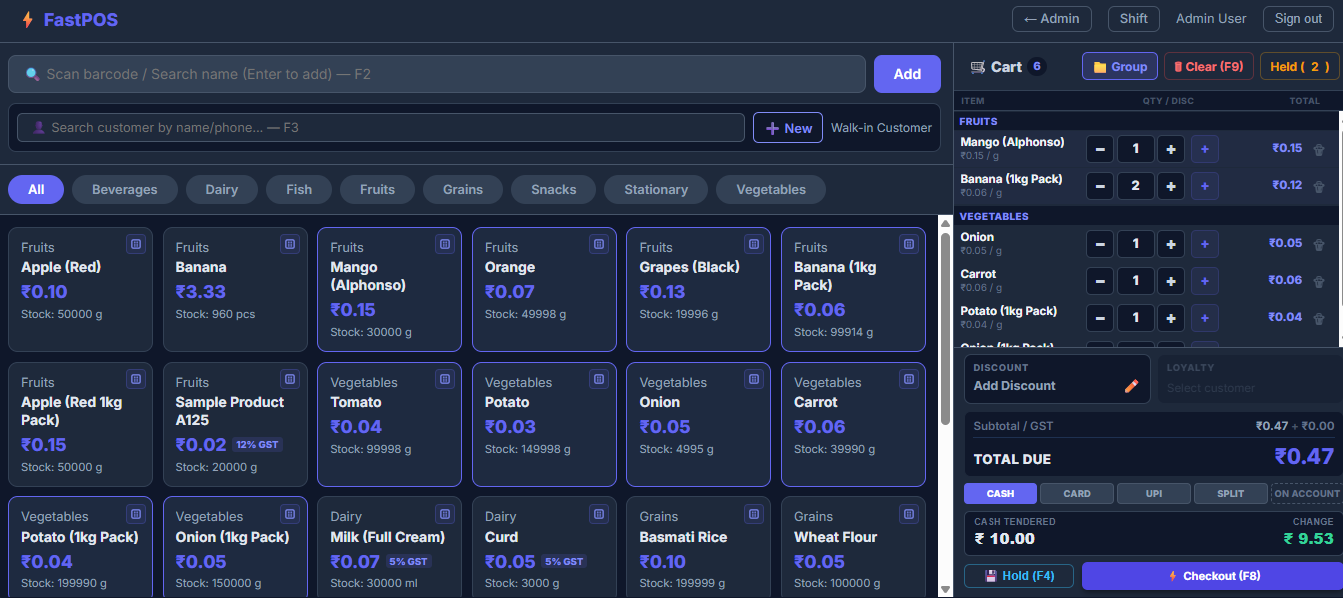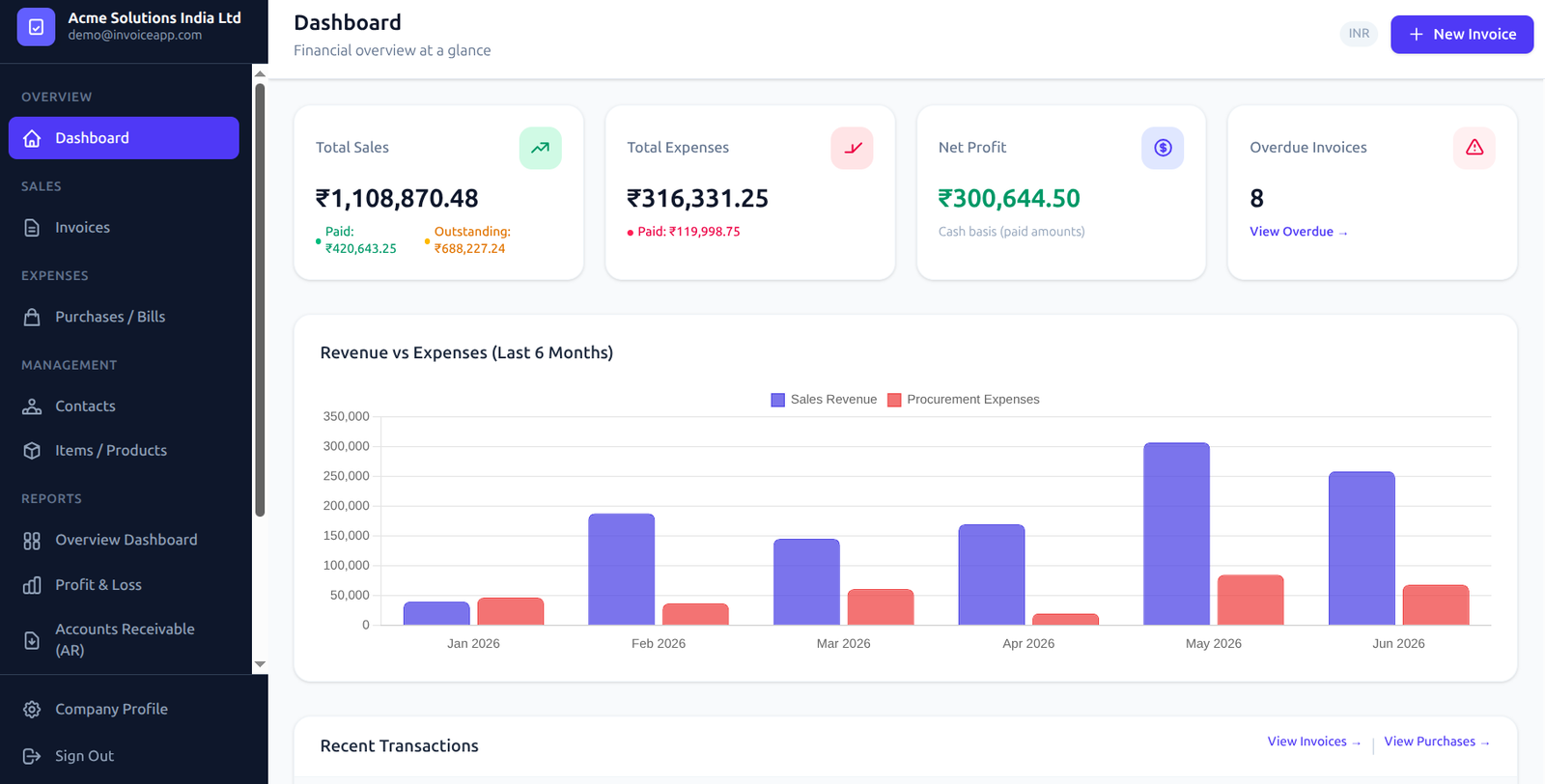
Modern billing engines must adapt to a complex web of international tax laws. Whether handling Goods and Services Tax (GST) in India, Value Added Tax (VAT) in the EU, or state-specific sales taxes in the US, invoicing SaaS applications need reliable localization structures that automatically adapt calculations based on customer geography.
Automated Localization & Rates
Hardcoding tax values is a path to future codebase failures. Instead, modern compliance engines resolve tax rates using user country settings. For instance, when a billing profile is set to India, the system should default to the standard 18% GST (CGST/SGST/IGST split), while defaulting to a standard baseline (e.g. 5%) or zero tax for other locations. Bridging this data logic dynamically during invoice generation ensures compliance without manual intervention.
Managing Zero-Tax & Export Exceptions
Not all transactions require tax additions. Export invoicing, transactions involving Special Economic Zones (SEZs), or services below national tax thresholds qualify for tax exemptions. A premium billing platform must provide options to toggle zero-tax parameters. When activated, the engine should dynamically recompute totals and strip out tax columns from the final PDF output to maintain a professional, clean invoice format.
Auditable Database Storage Patterns
Tax rates change over time due to legislative reforms. If a database stores only a reference to the active tax table, modifying a tax rate in the admin panel will retroactively change historical invoice totals, destroying accounting records. To prevent this, every completed invoice must store calculated monetary values and the specific tax percentage applied at the time of creation directly inside the invoice record, guaranteeing long-term data integrity.